
It rarely announces itself with a bang. Instead, it creeps in quietly — a forgotten thank-you here, an ignored effort there. One day you look around and wonder: When did my contributions become invisible? Why does it feel like I’m the only one trying? Feeling taken for granted is one of the most common and quietly corrosive experiences in a relationship. It doesn’t always mean your partner doesn’t care — often they simply don’t realize what’s happening. That doesn’t make it hurt less, but it does mean there’s a way forward — and it starts with understanding what’s really going on beneath the surface.
Recognize the Signs Before Resentment Takes Root
Feeling taken for granted doesn’t always look like outright neglect. Sometimes it shows up in subtler ways: you’re the one who always initiates date nights, remembers anniversaries, or handles the emotional check-ins. Your partner assumes you’ll handle the logistics — the grocery list, the kids’ schedules, the family birthday cards — without ever being asked, let alone thanked. You might be the one who always asks how their day was, while rarely being asked the same question in return. Over time, these small imbalances accumulate into something heavier. You might notice yourself withdrawing, becoming less affectionate, or feeling a low-grade irritation you can’t quite name. That irritation is often the first sign that something needs attention. Catch it here, before it hardens into the kind of resentment that’s much harder to undo.
Why Being Taken for Granted Hurts More Than You Think
It’s not just about not hearing the words “thank you.” Feeling taken for granted cuts deeper because it challenges something fundamental: the feeling that you matter to the person you’ve chosen to build a life with. Psychologists call this “perceived partner responsiveness” — the sense that your partner sees you, values you, and responds to your needs. When that sense erodes, so does your emotional safety. You may start questioning whether the relationship is one-sided, whether your partner even notices what you bring to the table. This is the headspace where keeping score begins — and once scorekeeping takes over, genuine partnership becomes almost impossible. The hurt isn’t petty; it’s a signal that your emotional needs aren’t being met, and it deserves to be taken seriously.
How to Talk About It Without Starting a Fight
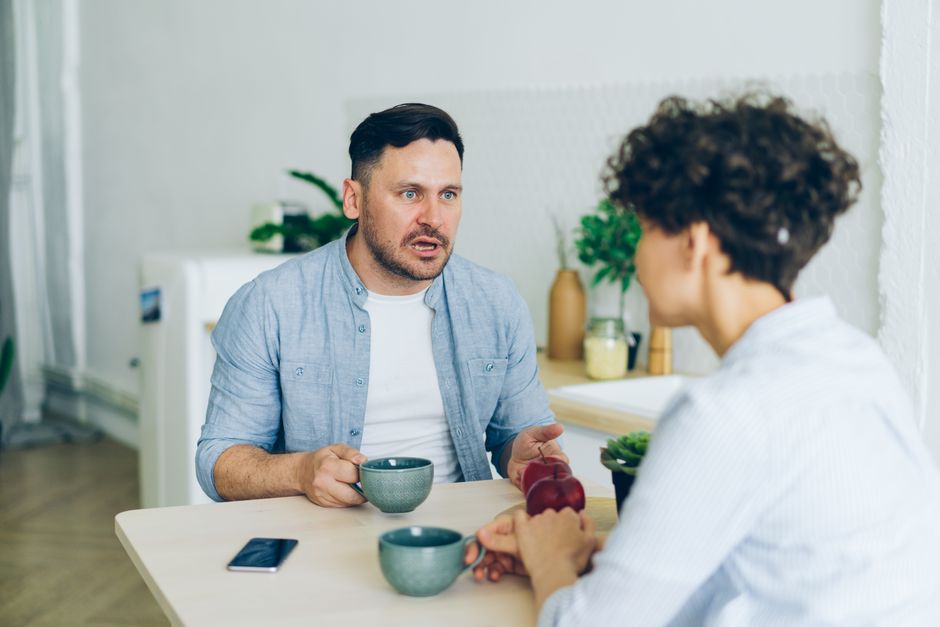
This is the tricky part. Saying “You don’t appreciate me” can sound like an accusation — and an accused partner often gets defensive rather than receptive. The key is to lead with your experience, not your partner’s flaws. Try: “I’ve been feeling a little invisible lately, and I want to share what’s going on with me — can we talk?” instead of “You never notice anything I do.” Own the feeling, extend the invitation. Timing matters enormously here. Don’t bring this up when either of you is tired, hungry, or already stressed. Pick a calm moment — a weekend morning over coffee, a quiet evening on the couch — and frame it as something you want to work on together, not something your partner needs to fix for you. If they get defensive, try saying: “I’m not attacking you. I’m telling you how I feel because I care about us.” That simple reframe can lower the temperature enough for a real conversation to happen. If you’ve struggled with this kind of conversation before, you might find it helpful to read up on sharing the mental load — it’s often the invisible labor that sparks these feelings in the first place.
Build a Culture of Appreciation, Not Just a One-Time Fix
One conversation won’t solve years of accumulated hurt. What works is creating small, consistent rituals of acknowledgment. This doesn’t have to be grand gestures. It can be a two-minute check-in at the end of each day where each person names one thing they appreciated about the other. It can be leaving a sticky note on the bathroom mirror. It can be a shared digital note where you both jot down things you’re grateful for — and read through it together once a week. The goal isn’t to tally points but to rebuild the muscle of noticing. When appreciation becomes a daily practice rather than an afterthought, the dynamic shifts from “what are you doing for me?” to “look at what we’re building together.” Even something as simple as saying “I noticed you did that — thank you” can begin to heal months of feeling invisible.
Reclaim Your Own Value — Regardless of Your Partner’s Response
Here’s a truth that’s uncomfortable but necessary: you can’t control whether your partner appreciates you. You can control whether you continue to pour from an empty cup. While you work on the relationship dynamic, also look inward. Are you over-functioning? Saying yes to things you resent? Giving in ways that leave you depleted? Sometimes we feel taken for granted because we’ve trained the people around us — not maliciously, but through habit — to expect more than is sustainable. Learning to say “I can’t take that on right now” or “I need some time for myself this weekend” isn’t selfish; it’s modeling what healthy balance looks like. When you value your own time and energy, you teach others to value it too. And when you stop over-giving, you create space for your partner to step up — something they may not have realized they needed to do.
Feeling taken for granted is painful precisely because relationships matter so much. The fact that it bothers you isn’t a sign of weakness — it’s a sign that you’re invested and that you want the partnership to thrive. Start the conversation gently, build appreciation into your daily rhythm, and remember that your worth doesn’t depend on someone else’s acknowledgment. The best relationships are the ones where both people make the effort to see each other clearly — and that clarity is something you can start building today.